Maramureş

Romania

View from Biserica de lemn din Ieud Deal, wooden church completed in the seventeenth century. 

"We came to understand that the locals’ zest for life and love for nature are fuelled by a strong connection to the spiritual world. Spirituality is of utmost importance to the people of Maramureş and the many wooden churches situated all over this region stand as evidence to this end. There are many special churches and they are all beautiful in their own way, but the one in Ieud is exquisite. We arrived on a calm summer’s evening and we were greeted by the smell of handmade soap and by the smiles on the villagers’ faces. The hill on which the church stands has in itself a feel of ‘solemn’, which turns into humbleness before the impressive frescoes. We decided to climb the old and squeaky wooden stairs leading to the church’s tower and the view revealed the surrounding hills framing the village – a small Eden, undisturbed and dateless! This place breathes history through all of its pores, as we were standing in the exact spot where the first document written in Romanian – ‘The Ieud Codex’ (1391) – was found. I 
wondered - doesn’t this add a feel of ‘majesty’ to it all?"
View from Biserica de lemn din Ieud Deal, wooden church completed in the seventeenth century. 

"We came to understand that the locals’ zest for life and love for nature are fuelled by a strong connection to the spiritual world. Spirituality is of utmost importance to the people of Maramureş and the many wooden churches situated all over this region stand as evidence to this end. There are many special churches and they are all beautiful in their own way, but the one in Ieud is exquisite. We arrived on a calm summer’s evening and we were greeted by the smell of handmade soap and by the smiles on the villagers’ faces. The hill on which the church stands has in itself a feel of ‘solemn’, which turns into humbleness before the impressive frescoes. We decided to climb the old and squeaky wooden stairs leading to the church’s tower and the view revealed the surrounding hills framing the village – a small Eden, undisturbed and dateless! This place breathes history through all of its pores, as we were standing in the exact spot where the first document written in Romanian – ‘The Ieud Codex’ (1391) – was found. I 
wondered - doesn’t this add a feel of ‘majesty’ to it all?"
Sunset
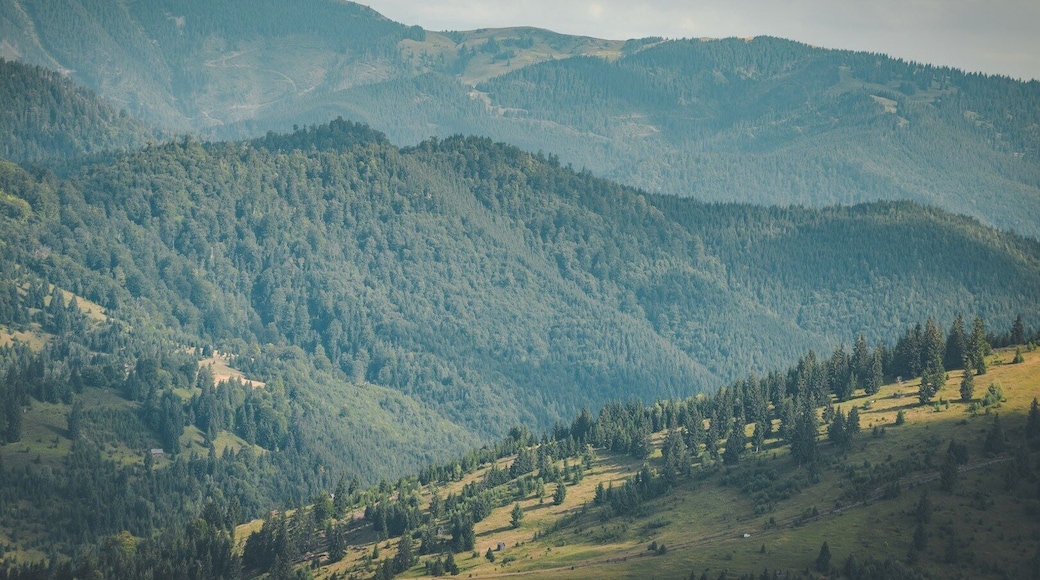
Endless rolling hills in Maramures!
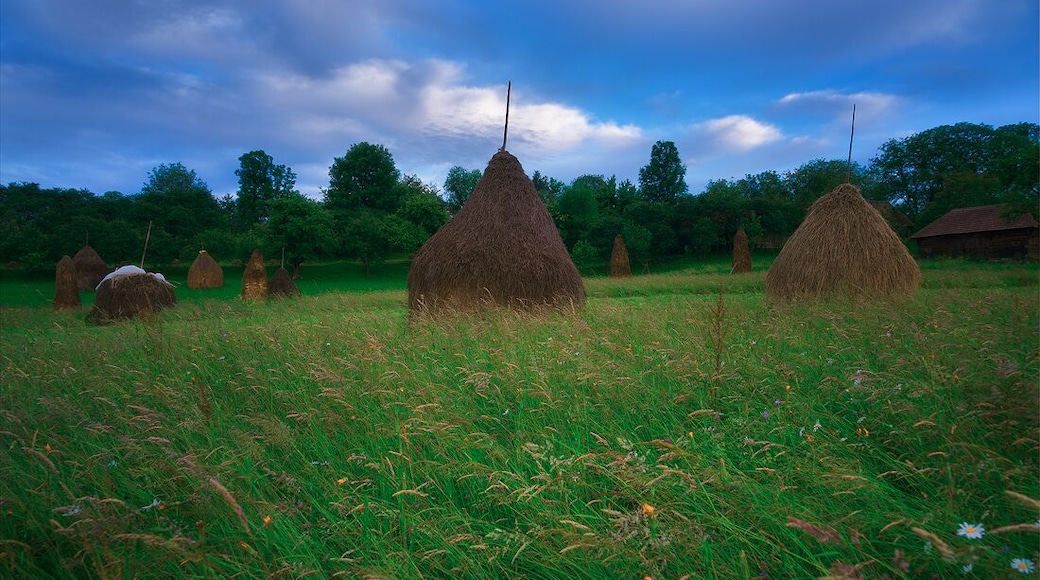
Traditional Maramures Cabin.

Popular cities in Maramureş

Catedrala Sfânta Treime, Baia Mare #LifeAtExpedia
Baia Mare
Known for Recreation, Ruins and Hills
Baia Mare awaits: its ruins, skiing, cathedral, and more!
Sighetu Marmatiei
Sighetu Marmatiei
Known for Churches, Cathedrals and Monuments
Come to romantic Sighetu Marmatiei and enjoy its churches, monuments, and camping.
Baia-Sprie
Baia-Sprie
Known for Skiing
Baia-Sprie awaits: its skiing and more!
Alt. 1400 m, perfect road and beautiful scenery. Prislop Pass in the north of Romania, crossing Rodna Mountains. You can stop in Borsa for a night or two and explore the mountains around the resort or even use the chairlift that takes you near a very beautiful waterfall - Cascada Cailor.
Borsa
Known for Natural parks and Monuments
Love parks and monuments? Get away to Borsa!
'This stillness is a big part of the Maramureş lifestyle; being able to experience it actually means understanding a way of life that has been passed on from one generation to the next and these people’s take on life is as surprising as their take on death.
The best place for us to experience that was Săpânţa, a small yet cozy village close to the Ukrainian border. What makes the inhabitants of Maramureş so special, in the end? Well, for starters, they even have a cemetery making a fool of… death. Yes, death. Stepping into the Merry Cemetery made it clear. This cemetery has mainly started as the creation of sculptor Stan Ioan Pătraş, whose legacy endured after his death, with artists who continued his beautiful work, using the same vibrant blue – the Săpânţa blue, together with other vivid colors to illustrate the resilience of the miracle of life before the big end. There are important scenes from the lives of those buried here painted on over 800 tombstones. And if this isn’t impressive enough, there are epitaphs underneath each painting summarizing the life of the deceased or depicting the circumstances of the passing, with traditional Romanian motifs found in each epitaph.' 
#blue #colorful
Săpînţa
Known for Small town, Countryside and Temples
Quaint Săpînţa is calling! Discover its countryside, temples, museums, and more.
Cavnic
Cavnic
Known for Ruins, Skiing and Churches
Love ruins, skiing, and history? Get away to Cavnic!