البحث عن فنادق بتصنيف 5 Star في آوت ويل من SAR 697

  • تغيُّر خططك

    احجز في فنادق توفر إلغاء مجانيًا
  • استرخِ واستمتع

    سجّل الدخول لتوفير 10% أو أكثر من سعر آلاف الفنادق
  • كن دقيقًا

    ابحث فيما يقرب من مليون منشأة فندقية حول العالم
عطلة نهاية هذا الأسبوع
عطلة نهاية الأسبوع القادم

أفضل خياراتنا لفنادق آوت ويل بتصنيف 5 نجوم

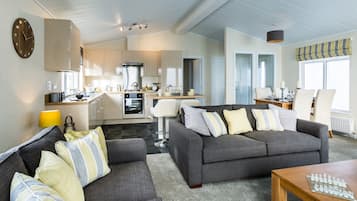
كينجس لين كارافان آند كامبينج بارك

كينجس لين كارافان آند كامبينج بارك
منشأة فندقية مصنفة بـ 5.0 نجوم
King's Lynn
9.0 من 10، رائع، (122 تقييمًا)
"Not sure about pets, but in cold, windy weather and rain, it was the most comfortable place to stay."
المملكة المتحدة
Iljy
كينجس لين كارافان آند كامبينج بارك
وفِّر ما متوسطه ⁦15⁩% من سعر آلاف الفنادق عند تسجيل الدخول

استكشف فنادق مشابهة بتصنيف 4-نجوم

العديد من الفنادق ذات تصنيف 4-نجوم بها الخدمات ذاتها الموجودة في الفنادق ذات تصنيف 5-نجوم. عرض جميع الفنادق ذات تصنيف 4-نجوم في ⁦آوت ويل⁩.
ألم تجد ما تبحث عنه بعد؟
عرض جميع المنشآت في ⁦آوت ويل⁩.
يمكنك أيضًا استخدام عناصر التصفية لتضييق نطاق بحثك.
أقل سعر عُثر عليه في الليلة الواحدة خلال آخر 24 ساعة بناءً على سعر إقامة ليلة واحدة لشخصين بالغين. الأسعار ومدى التوفر عرضة للتغيير. قد تسري شروط إضافية.

معرفة المزيد عن آوت ويل

ذا كريسينت ومصنع الجعة إلجودز من المعالم التي يمكن زيارتها في مدينة آوت ويل.

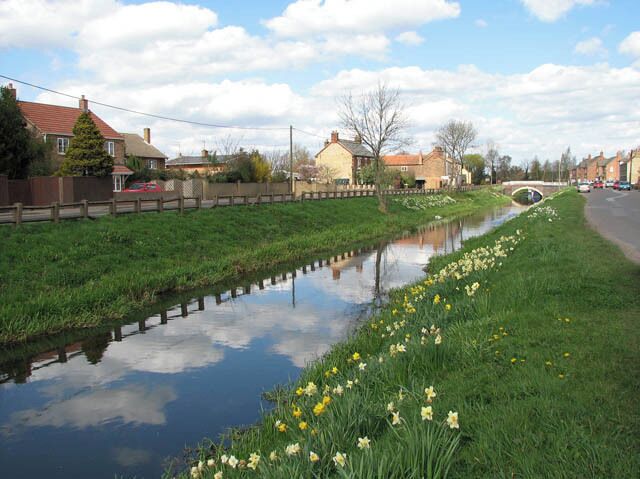
Wisbech & Upwell tramway - Goodman's Crossing Wisbech & Upwell tramway's Upwell depot > 1241222 was 5 miles 72 chains distant from Wisbech. The line had eleven sidings, with two originally allocated for passenger traffic. During the fruit season the sidings could hold more than a hundred vans. The depot had a cattle dock, a depot office, a passenger waiting room, and a coal merchant's office and staithes. There was also an ash pit, and an old GER tender was used for a water tower until 1953 when it was removed. http://www.lner.info/co/GER/wisbech/route.shtml From the Upwell depot, which was the southern terminus of the tramway, the trains headed northwards > https://www.geograph.org.uk/photo/1241251 to the village of Outwell, crossing Small Lode > https://www.geograph.org.uk/photo/1241268 and passing a farm before emerging on Low Side > https://www.geograph.org.uk/photo/1241442 which was the final request stop. A farm driveway now runs where the railway trackbed used to be > https://www.geograph.org.uk/photo/1241431. Running parallel with Well Creek (the old course of the River Nene) the tramway then ran along the grassy verge seen in the foreground before reaching the final section of reserved track at Goodman's Crossing request stop before reaching Outwell Village depot. Outwell Village depot > https://www.geograph.org.uk/photo/1241458 was located just past the bridge seen in the background - by the old course of the River Nene and adjoined by St Clement's church on the other side. It originally had four sidings and was equipped with coal chutes to transfer coal to barges for distribution through the Fens. The depot had a small office building built from red brick > https://www.geograph.org.uk/photo/1241479 and an old van body for storage. The brick office still stands, but most of the depot site has since been built over by modern housing. The name of the cul-de-sac/access road is called "The Tramway". When during the 13th century the estuary silted up, the fens surrounding the market town and port of Wisbech were reclaimed for agricultural use. The new agricultural prosperity soon attracted railways such as the Eastern Counties Railway which opened a branch in 1847. In 1848 the East Anglian Railway built a branch from Watlington. A third line was built by the Peterborough, Wisbech & Sutton Bridge Railway (later the Midland & Great Northern Joint Railway) which opened a station on the other side of the River Nene in 1866. The trains carried fruit and vegetables to markets as far afield as London. In addition, the construction of a tramway line connecting the villages Upwell and Outwell with Wisbech commenced in 1882. Board of Trade's tram restrictions resulted in the unusual-looking locomotives which not only had speed restrictions but controls at both ends and wooden cowcatchers and skirts over the wheels. Six trams a day in each direction provided passenger services, with the full one way journey taking one hour. By October 1884 traffic had grown to 3000 passengers per week, with peaks of 2000 in a day for fetes and other special events. The tram competed with a canal that ran between Wisbech and Upwell and with the canal being in a poor financial condition the tram eventually finished it off. When motor omnibuses started to appear, however, passenger numbers declined drastically and passenger services were withdrawn in 1927, whereas freight traffic continued to flourish. With the introduction of two Drewry Shunters (BR Class 04) in 1952, Wisbech & Upwell became Britain's first all-diesel line. The line closed in March 1966. http://www.lner.info/co/GER/wisbech/history.shtml
بعدسة Evelyn Simak
فتح صورة بواسطة Evelyn Simak

استكشاف مجموعة كبيرة من وجهات السفر مع Expedia