

استكشاف وسط مدينة نوركوبينغ
أماكن مشهورة يمكنك زيارتها
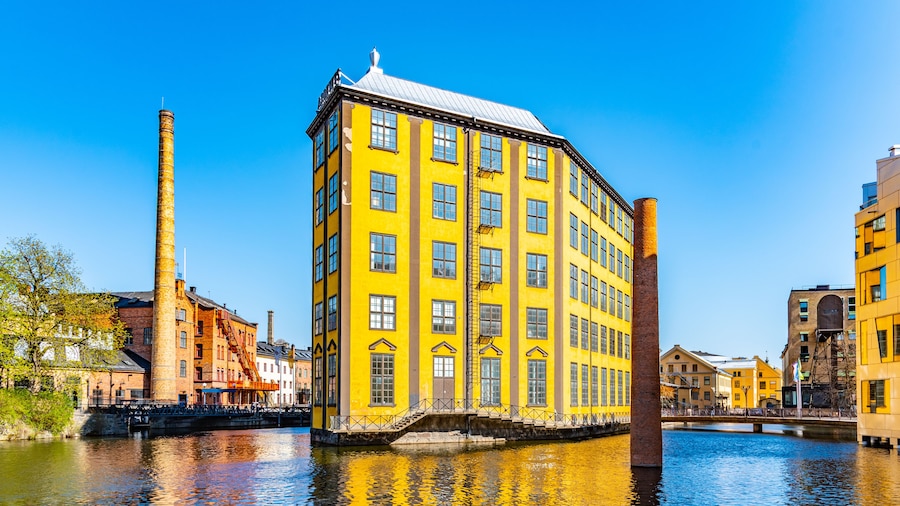
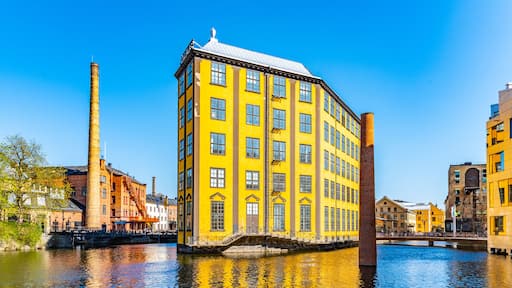
متحف العمل
يمكنك قضاء بعض الوقت في مشاهدة معروضات متحف العمل خلال رحلتك إلى Gamla Staden. تجول على طول المارينا أو جرب المتاحف في المنطقة.
إيدروت سباركن
استمتع بحضور الفعاليات في إيدروت سباركن عند قيامك برحلة إلى نوركوبينغ.تجول على طول المارينا أو جرب المتاحف في المنطقة.
متنزه باور
استكشف الأماكن المفتوحة الرائعة في متنزه باور، التي تُعد من المناطق الخضراء الجميلة في Gamla Staden.تجول على طول المارينا أو جرب المتاحف في المنطقة.
قاعة لوي دي جير للموسيقا والكونجرس
تعرف على الفعاليات والأحداث التي تُعقد في قاعة لوي دي جير للموسيقا والكونجرس في أثناء رحلتك إلى Gamla Staden.تجول على طول المارينا أو جرب المتاحف في المنطقة.
متحف نوركوبينج للفنون
يمكنك قضاء بعض الوقت في مشاهدة معروضات متحف نوركوبينج للفنون خلال رحلتك إلى وسط مدينة نوركوبينغ. استمتع بالتمشية حول المارينا في المنطقة أو زيارة المتاحف فيها.
فولكباركين
استكشف الأماكن المفتوحة الرائعة في فولكباركين، التي تُعد من المناطق الخضراء الجميلة في نوركوبينغ.تجول على طول المارينا أو جرب المتاحف في المنطقة.