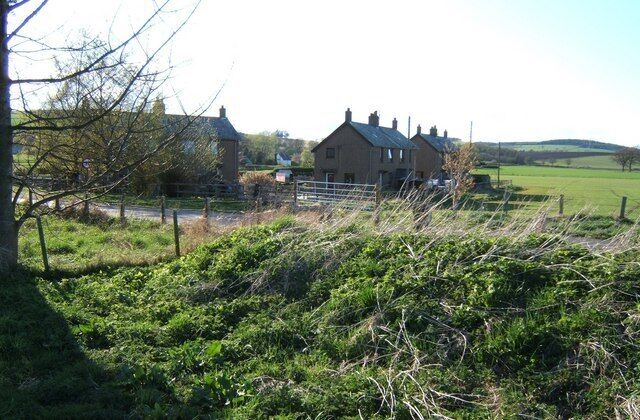
Milfield
Travel Guide
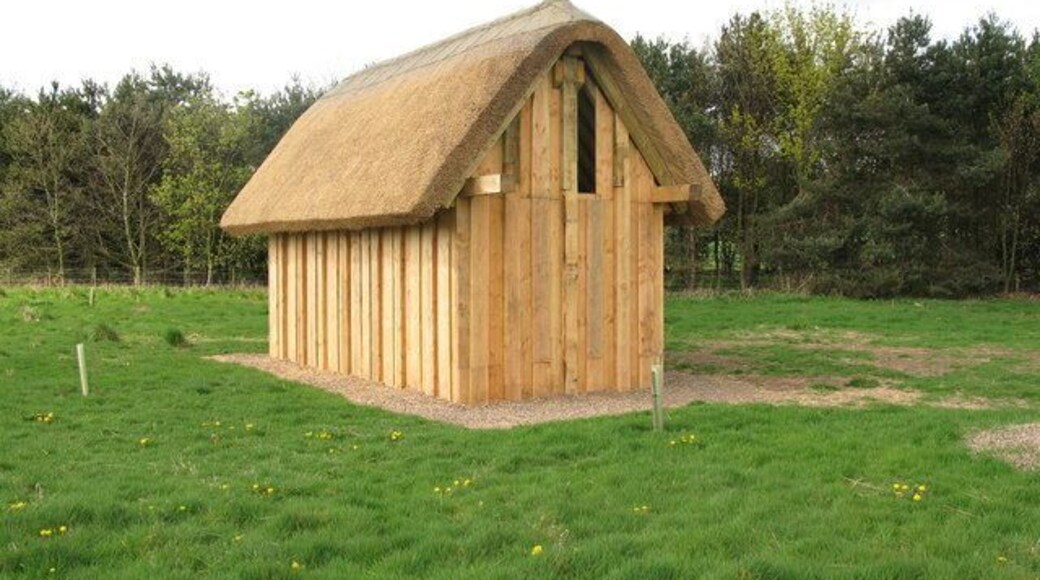
Visit Milfield
Red Lion Inn
Main Road Wooler England
The price is SAR 448 per night from Sep 14 to Sep 15
SAR 448
SAR 538 total
14 Sep - 15 Sep
includes taxes & fees
Stay at this B&B in Wooler. Enjoy free parking, daily housekeeping, and a bar/lounge. Popular attractions Lady Waterford Hall and Heatherslaw Light Railway are ...
9.6/10 Exceptional! (94 reviews)
"Excellent place, clean, tidy and excellent customer service. Nothing was too much trouble. Going the extra mile all to make you feel welcome. 100% stay there again."
Reviewed on 25 August 2026

Pantile Lodge
Main Road Wooler England
The price is SAR 461 per night from Oct 1 to Oct 2
SAR 461
SAR 553 total
1 Oct - 2 Oct
includes taxes & fees
Book a stay at this business-friendly B&B in Wooler. Enjoy free breakfast, free WiFi, and free parking. Popular attractions Lady Waterford Hall and Heatherslaw ...
9.8/10 Exceptional! (45 reviews)
"A perfect stay, we would highly recommend 👌 Great breakfast options too. Didn't need lunch at all."
Reviewed on 15 August 2026

Purdy Lodge
Adderstone Services Belford England
The price is SAR 398 per night from Oct 1 to Oct 2
SAR 398
SAR 478 total
1 Oct - 2 Oct
includes taxes & fees
Book a stay at this business-friendly hotel in Belford. Enjoy free breakfast, free WiFi, and free parking. Our guests praise the breakfast and the helpful staff ...
9/10 Wonderful! (1,008 reviews)
"Staff were very nice Food was really good Restful and quiet"
Reviewed on 31 August 2026
Lowest nightly price found within the past 24 hours based on a 1 night stay for 2 adults. Prices and availability subject to change. Additional terms may apply.
The Garden Rooms
Newton Hall Estate, Newton by the Sea Alnwick England
Book a stay at this business-friendly cabin in Alnwick. Enjoy free parking, bicycle rentals on site, and Netflix. Our guests praise the helpful staff in our ...
8.8/10 Excellent! (271 reviews)
"Beautiful last minute night away ..... hot tubs aren't usually our thing but it was clean, covered and secluded so had a lovely time using it. Could do with some mats or something putting down to help clean feet when you are getting in and out. But apart from that .... we had an amazing night ..."
Reviewed on 31 August 2026

5 Swinton Mill Farm Cottage
5 Swinton Mill Farm Cottage Coldstream Scotland
Book a stay at this golf cottage in Coldstream. Enjoy free WiFi, free parking, and a garden. Popular attractions Hirsel Homestead Museum & Craft Centre and Hirsel ...
The Lodge- charming cottage on private country house estate
Berwick-upon-Tweed Scotland
Stay at this cottage in Berwick-upon-Tweed. Enjoy a garden, laundry facilities, and an in-room coffeemaker. Popular attractions Paxton House and Chain Bridge ...
9.8/10 Exceptional! (71 reviews)
"Excellent lodge in a great location for exploring the Scottish Borders and Northumberland. Myself and the family have enjoyed a memorable 2 weeks. Thank you!"
Reviewed on 15 August 2026
Lowest nightly price found within the past 24 hours based on a 1 night stay for 2 adults. Prices and availability subject to change. Additional terms may apply.