أماكن مشهورة يمكنك زيارتها

متحف كولومبوس للفنون
يُمكنك تصفح المعروضات الموجودة في متحف كولومبوس للفنون، والتي تُعد متحفًا فريدًا، وذلك في أثناء سفرك إلى كولومبوس. جرب الأماكن الترفيهية والمتاحف في هذه المنطقة الملائمة للتجول مشيًا.
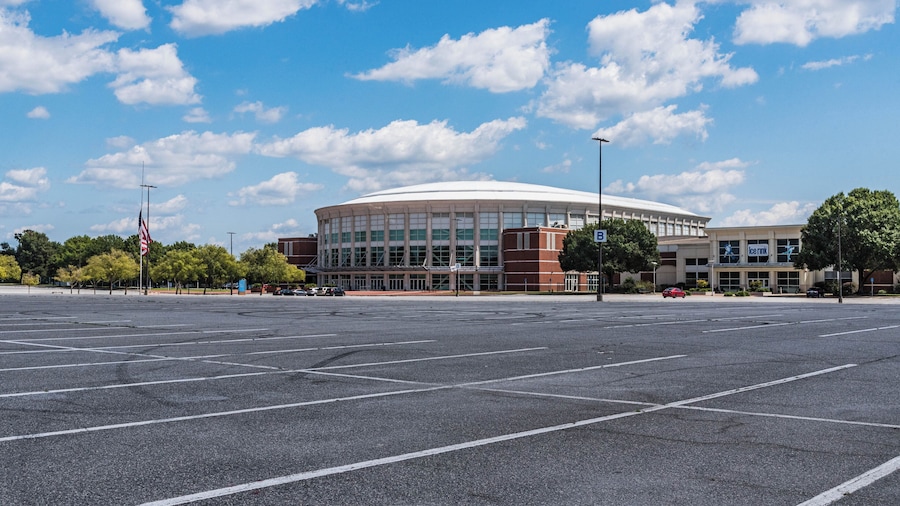
مركز كولومبوس المدني
استمتع بحضور الفعاليات في مركز كولومبوس المدني عند قيامك برحلة إلى كولومبوس.جرب الأماكن الترفيهية والعروض المسرحية في هذه المنطقة الملائمة للتجول مشيًا.

مجمع ساوث كومونز الرياضي
استمتع بحضور الفعاليات في مجمع ساوث كومونز الرياضي عند قيامك برحلة إلى كولومبوس.جرب المتاحف والأماكن الترفيهية في هذه المنطقة الملائمة للتجول مشيًا.

عيادة هوجستون
بالرغم من أن عيادة هوجستون قد تجذبك إلى المدينة، قد ستتاح لك فرصة استكشاف الكثير عن كولومبوس في أثناء وجودك هنا.

مركز بيتشتري
في أثناء رحلتك إلى كولومبوس، يمكنك العثور على الهدايا المثالية في مركز بيتشتري. استمتع بالتمشية حول الإطلالات النهرية في هذه المنطقة الملائمة للعائلات أو جرب الأماكن الترفيهية فيها.

RiverCenter for the Performing Arts
احصل على تذاكر حضور العروض في RiverCenter for the Performing Arts، والذي يُعد مسرحًا لتقديم القصص في كولومبوس. جرب الأماكن الترفيهية والعروض المسرحية في هذه المنطقة الملائمة للتجول مشيًا.

Howard Johnson by Wyndham Columbus Fort Moore
Friendly reception.
قُيّمَ في 25 ديسمبر 2025

102 year old historic home in quiet park district comfy and quiet
Loved this house! We were just there overnight. Beds were very comfy, plush bedding & towels, and the location felt safe. Super close and convenient to Fort Benning. Appreciated the TV’s in the bedrooms after a long drive!
قُيّمَ في 9 يناير 2026

Near Riverwalk & Dining- Columbus Craftsman
It was very homie. Shopping is very close. Check in and check out is super easy. Host was great with communication. Only things that would have been great would have been more things to cook with. (Just wasn’t much skillets and pans). More seating in the living room. Which we did sit at the dinning ...
قُيّمَ في 24 نوفمبر 2025

Remodeled Modern Apartment Minutes from Ft. Benning and Midtown Dining.
Fantastic location, quiet, comfortable.
قُيّمَ في 15 ديسمبر 2025

Near CSU, Ft Moore, & Downtown - Parkside Townhome
Like many of the other comments, house definitely needs updates. The futon in the living room was very stained and broken. We had to put a blanket over it to sit on it. The refrigerator did not make ice or water. There was no hair dryer like the add said, so I didn’t bring one. I was a little upset ...
قُيّمَ في 15 ديسمبر 2025

Stylish 3BR Retreat w Porch and garden
Discover neighborhoods in MidTown

Peacock Woods-Diamond Circle Historic District
وبالرغم من احتمالية عدم توفر أماكن جذب سياحية متميزة في Peacock Woods-Diamond Circle Historic District، يُمكنك استكشاف المنطقة الكبرى وزيارة أماكن مثل متحف كولومبوس للفنون وSpringer Opera House.
Wynnton Village Historic District
ومع أن Wynnton Village Historic District لا تشتمل على العديد من المعالم السياحية المتميزة، فإن متحف كولومبوس للفنون وSpringer Opera House من الأماكن المشهورة القريبة التي يمكن زيارتها.
Briarwood
ومع أن Briarwood قد لا تشتمل على العديد من المعالم السياحية التي يمكنك استكشافها، إلا إنه يتوفر العديد من المعالم التي يمكن مشاهدتها والأنشطة التي يمكن الاستمتاع بها على مقربة منها مثل متحف كولومبوس للفنون وSpringer Opera House.

Weracoba-St. Elmo Historic District
قد لا تتضمن Weracoba-St. Elmo Historic District العديد من المعالم السياحية المتميزة، ومع ذلك فإن متحف كولومبوس للفنون وSpringer Opera House من أماكن الجذب السياحي المتميزة القريبة التي يمكنك استكشافها.
Dinglewood Historic District
خلال وجودك في Dinglewood Historic District، يمكنك التخطيط لزيارة بعض المعالم السياحية الرائعة الموجودة في المنطقة المجاورة مثل متحف كولومبوس للفنون وSpringer Opera House.
East Highlands
ومع أن East Highlands قد لا تشتمل على العديد من المعالم السياحية التي يمكنك استكشافها، إلا إنه يتوفر العديد من المعالم التي يمكن مشاهدتها والأنشطة التي يمكن الاستمتاع بها على مقربة منها مثل متحف كولومبوس للفنون وSpringer Opera House.