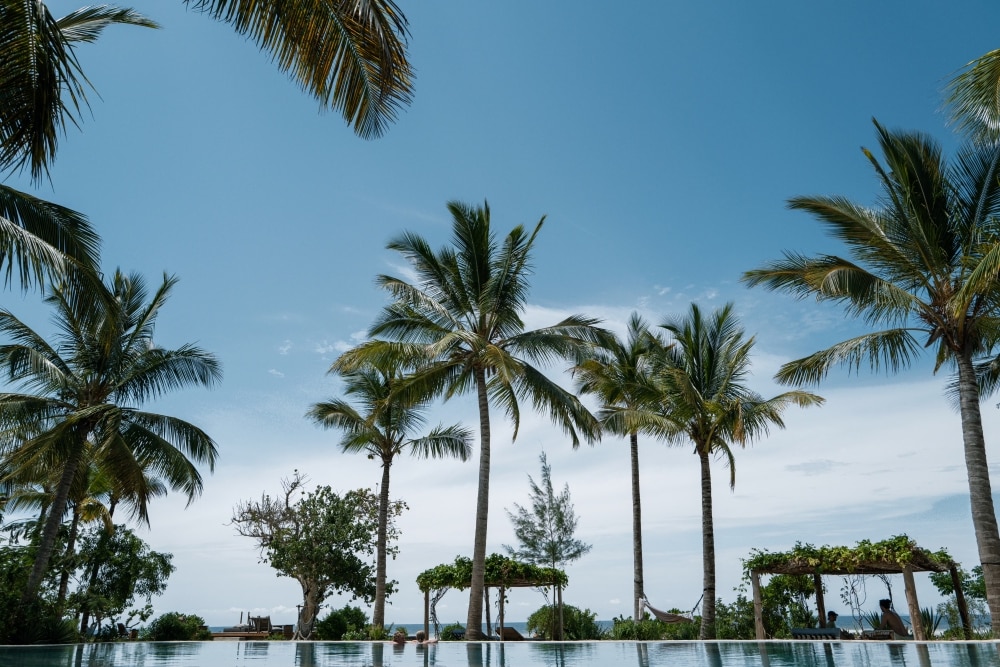
Manětín
Travel Guide
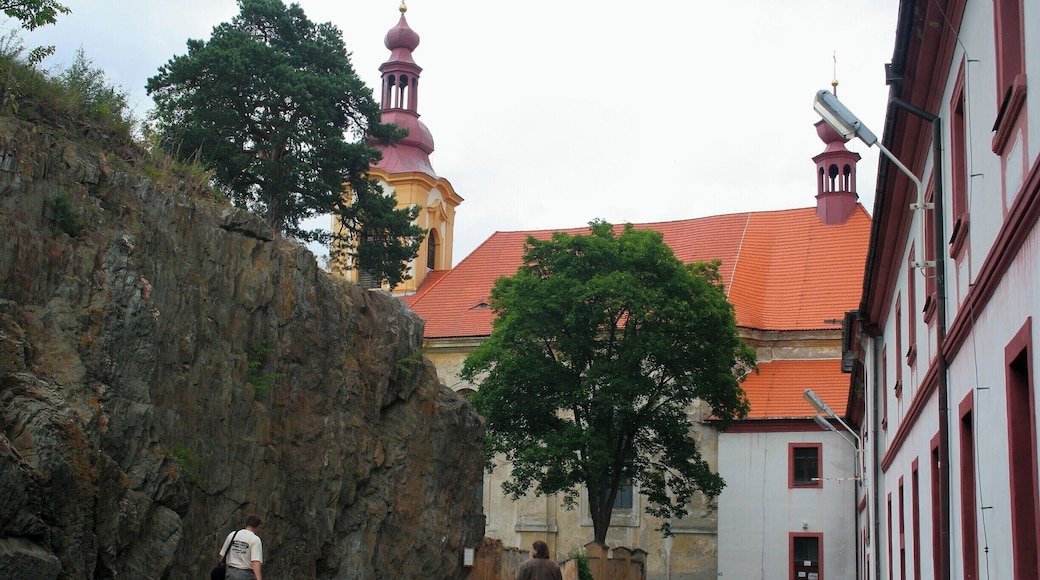
Visit Manětín
Terrace with gorgeous panorama in historic Rabstejn
Manetín Plzenský kraj
Stay at this vacation home in Manětín. Enjoy free WiFi, laundry facilities, and balconies.
9/10 Wonderful! (9 reviews)
"Nettes altes Häuschen, mitten in der Natur. Wanderwege waren gut ausgewiesen und es gab viel zu sehen.Tolles Restaurant 400 m entfernt .Pilsen und Parg gut zu erreichen ,eine stunde fahrt. Der Zoo von Pilsen ist sehr zu entfehlen"
Reviewed on 12 June 2026

Grandhotel Pupp
Mírové námestí 2 Karlovy Vary
The price is SAR 562 per night from Oct 4 to Oct 5
SAR 562
SAR 648 total
4 Oct - 5 Oct
includes taxes & fees
Book a stay at this luxury hotel in Karlovy Vary. Enjoy free WiFi, a full-service spa, and 3 restaurants. Our guests praise the helpful staff and the property ...
9.2/10 Wonderful! (1,002 reviews)
"Great location and breakfast is amazing!"
Reviewed on 21 September 2026
Parkhotel and Congress Center Pilsen
U Borského parku 31 Plzen
The price is SAR 324 per night from Oct 18 to Oct 19
SAR 324
SAR 375 total
18 Oct - 19 Oct
includes taxes & fees
Book a stay at this business-friendly hotel in Plzen. Enjoy free WiFi, an outdoor pool, and a rooftop terrace. Popular attractions Labyrint v Borském Parku and ...
8.2/10 Very Good! (297 reviews)
"Well, let’s just say the pool was freezing. The chairs were torn up by the pool that need replaced and the air-conditioning in the room did not work which I had on 16°C and it felt like 82°F all night, which I got a sinus infection so it wasn’t very very happy about that. At least the breakfast was ..."
Reviewed on 14 September 2026
Lowest nightly price found within the past 24 hours based on a 1 night stay for 2 adults. Prices and availability subject to change. Additional terms may apply.
Terrace with gorgeous panorama in historic Rabstejn
Manetín Plzenský kraj
Stay at this vacation home in Manětín. Enjoy free WiFi, laundry facilities, and balconies.
9/10 Wonderful! (9 reviews)
"Nettes altes Häuschen, mitten in der Natur. Wanderwege waren gut ausgewiesen und es gab viel zu sehen.Tolles Restaurant 400 m entfernt .Pilsen und Parg gut zu erreichen ,eine stunde fahrt. Der Zoo von Pilsen ist sehr zu entfehlen"
Reviewed on 12 June 2026
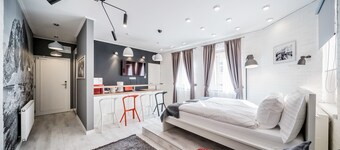
Revelton Studios Karlovy Vary
Jaltska 1052/9 Karlovy Vary KARLOVY VARY REGION
Stay at this apartment in Karlovy Vary. Enjoy free WiFi, concierge services, and premium bedding. Popular attractions Jan Becher Museum and Elizabeth's Spa are ...
9/10 Wonderful! (38 reviews)
"Everything was great with the property. Communication was excellent. We stayed during August summertime and the unit was hot but because of the 24/7 support they were able to provide us an electric fan which was a lifesaver."
Reviewed on 7 August 2026
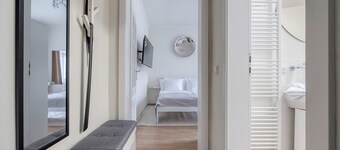
Anmut by Revelton
15 Bulharská Karlovy Vary Karlovarský kraj
Stay at this aparthotel in Karlovy Vary. Enjoy free WiFi, cable TV channels, and housekeeping. Popular attractions Elizabeth's Spa and Mattoni Mineral Water ...
Lowest nightly price found within the past 24 hours based on a 1 night stay for 2 adults. Prices and availability subject to change. Additional terms may apply.